Building
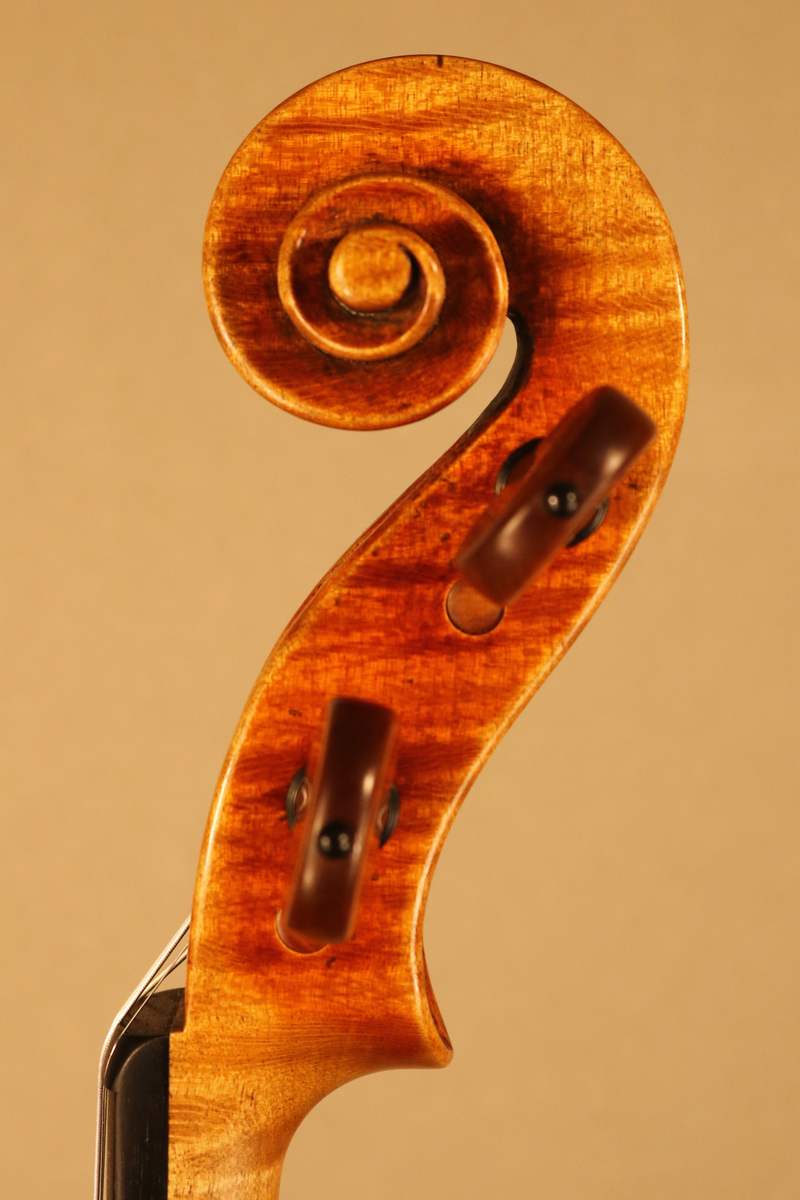
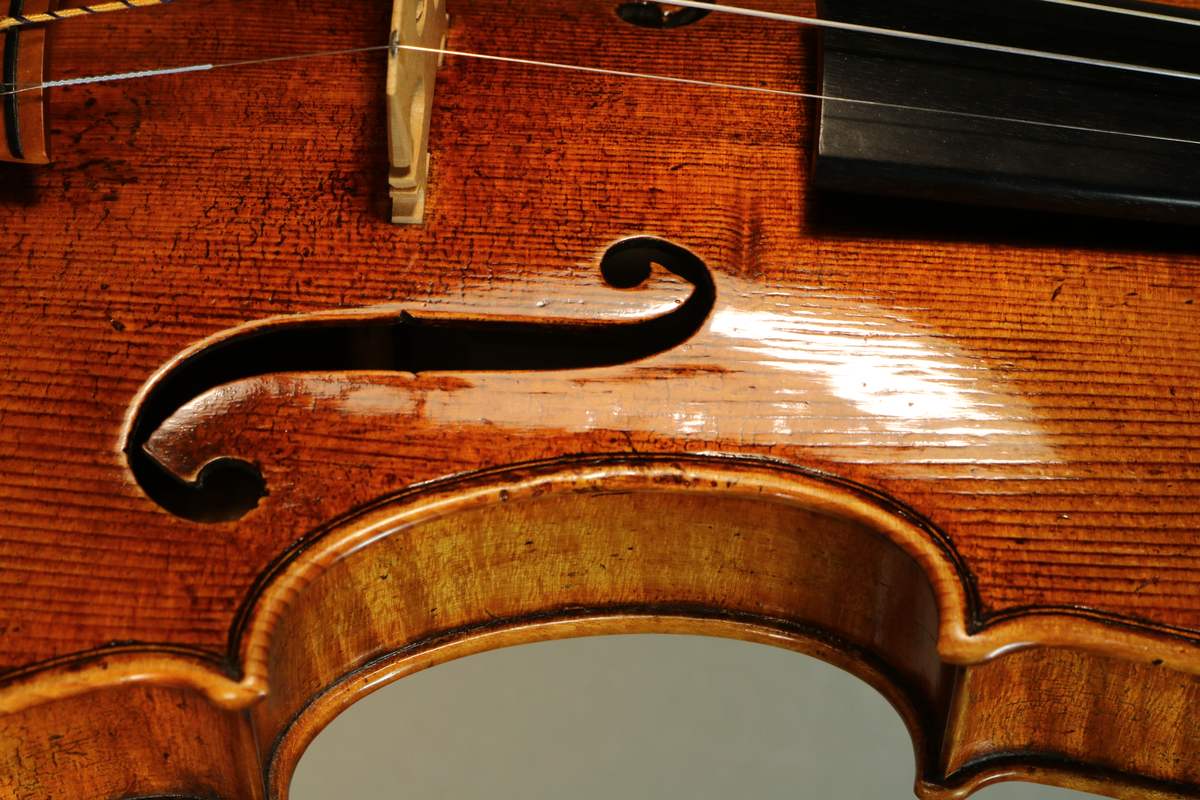
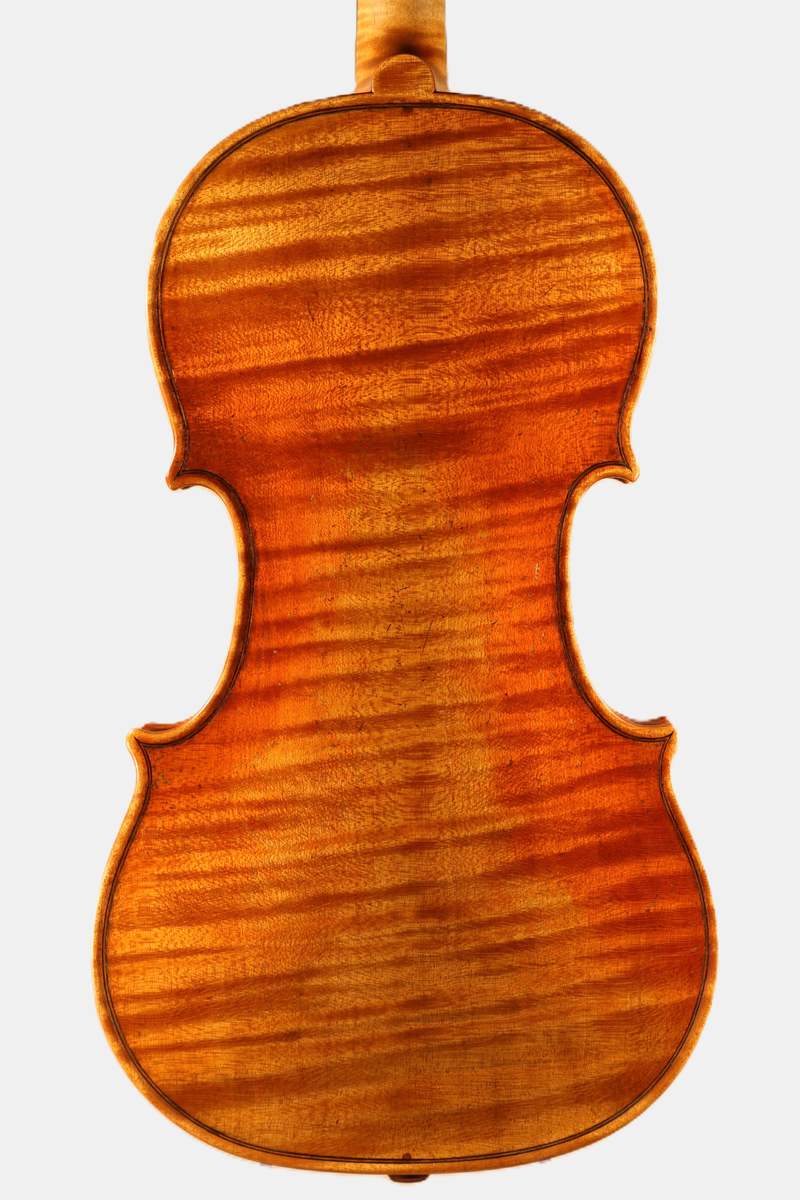
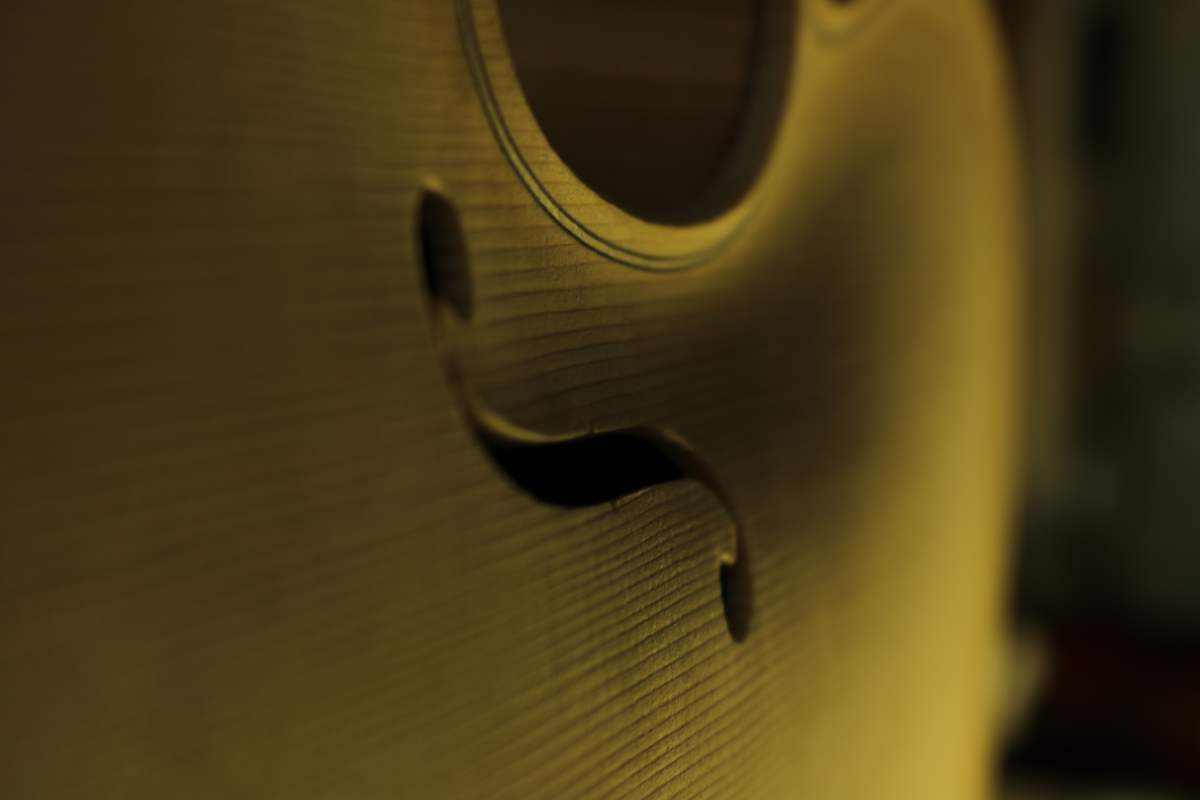
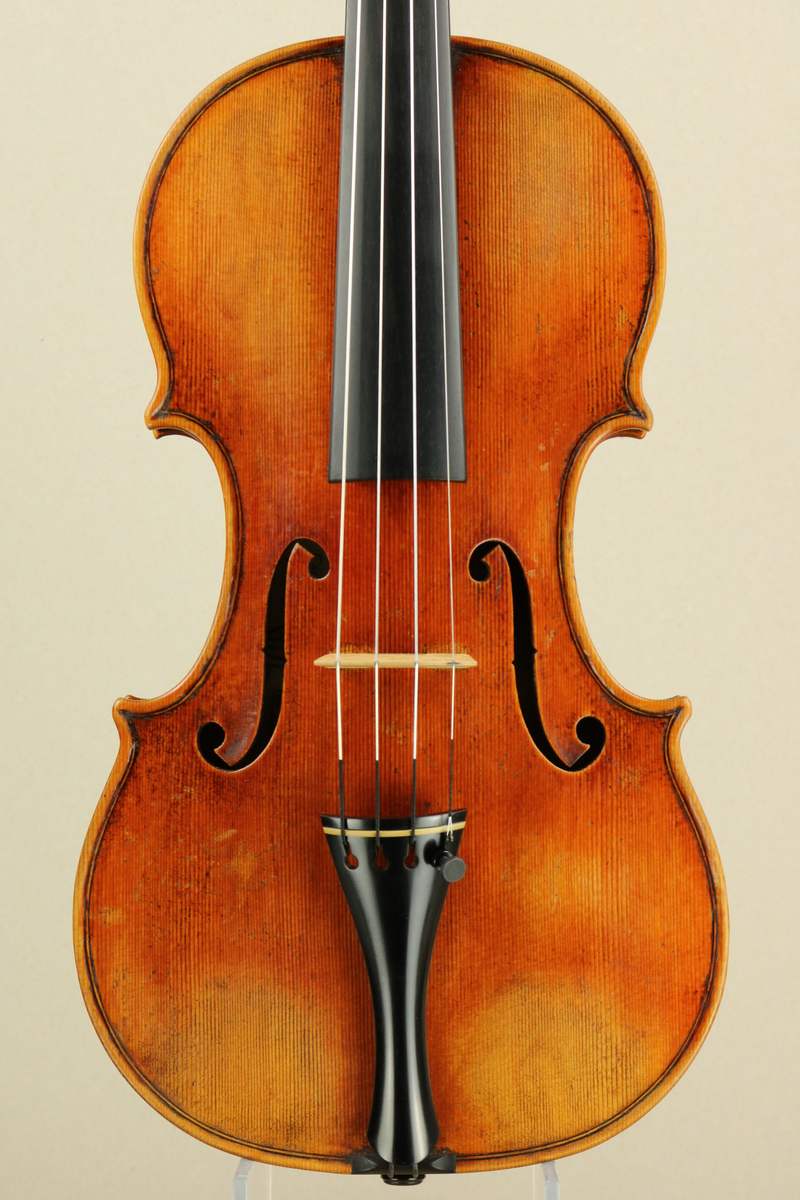
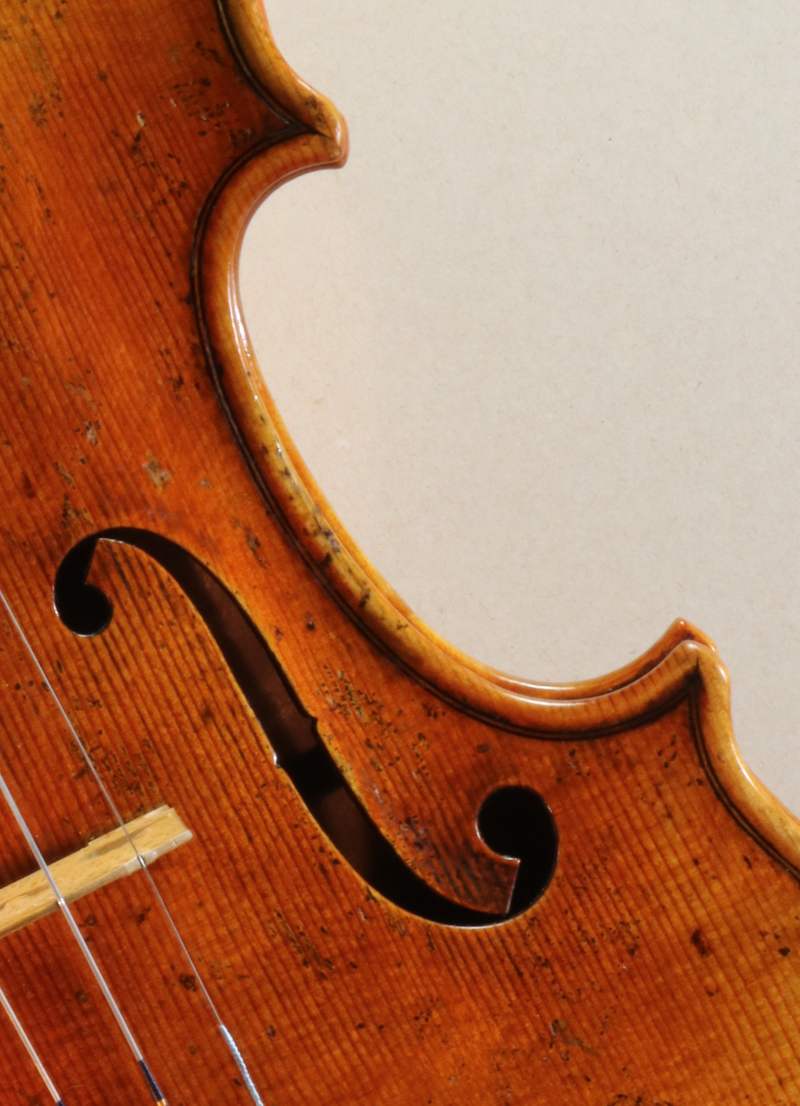
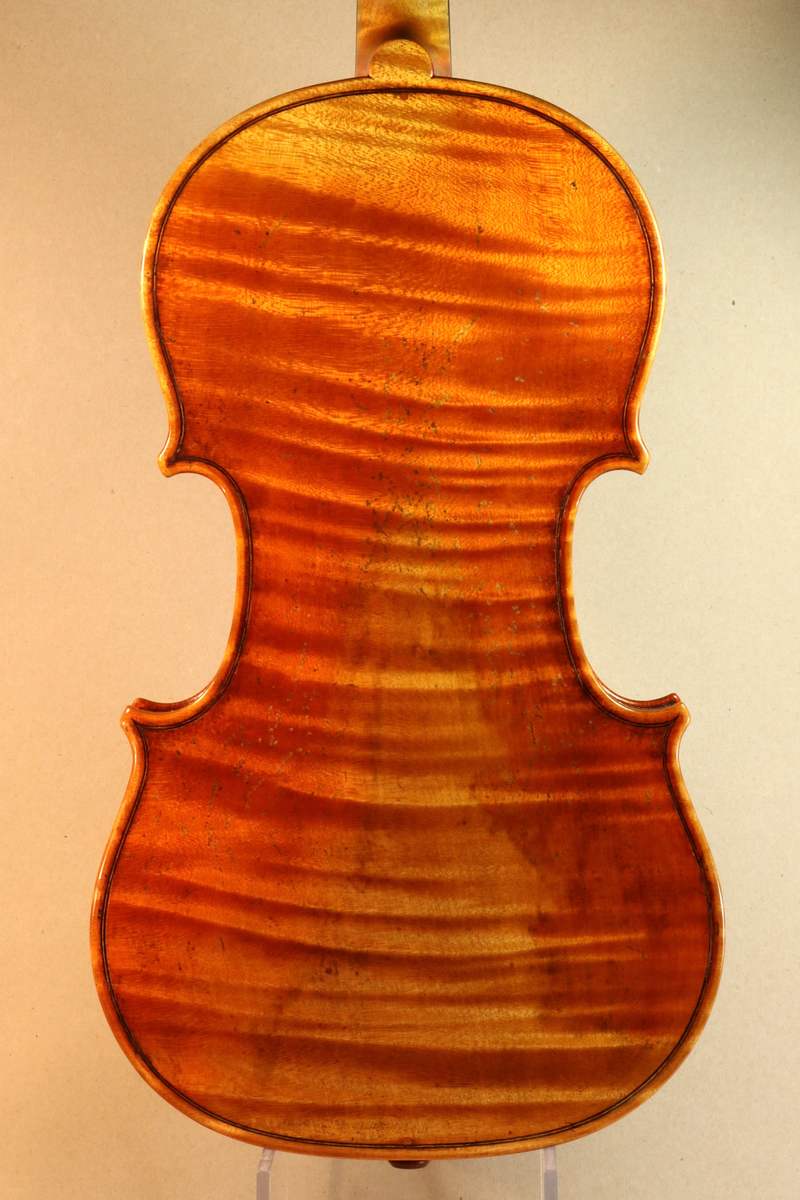
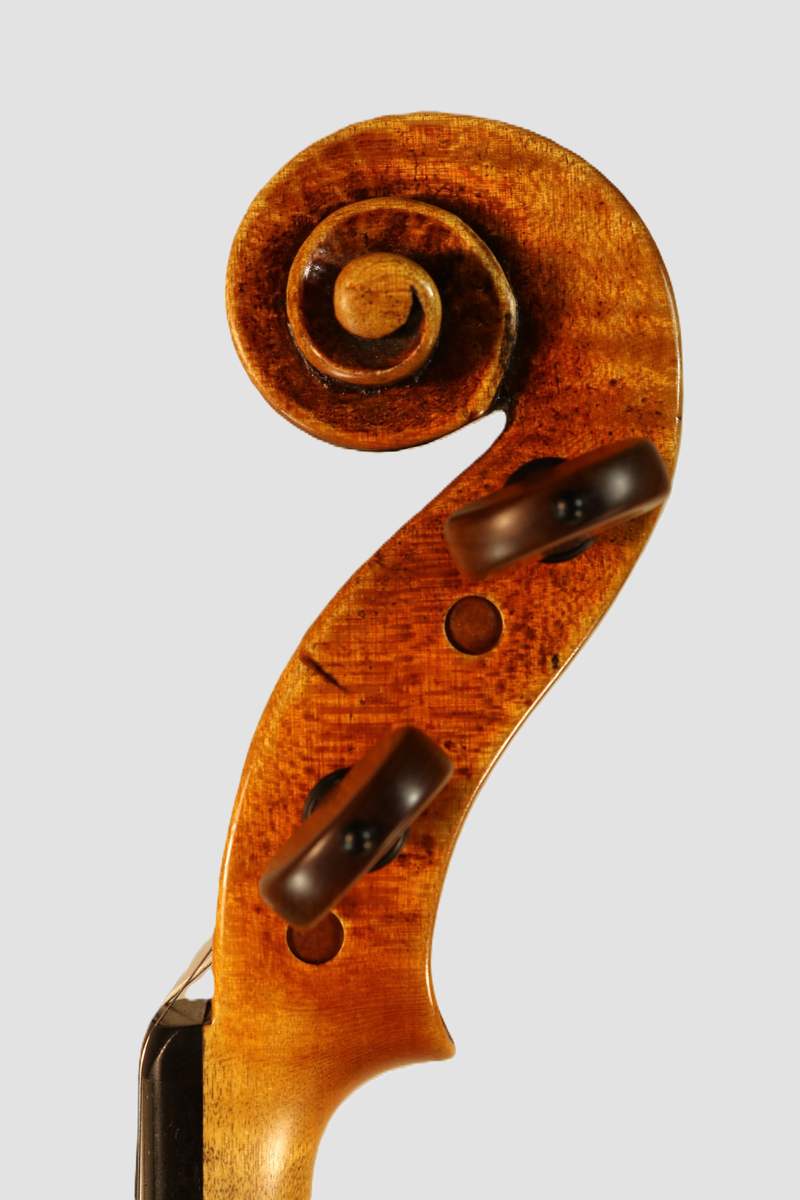
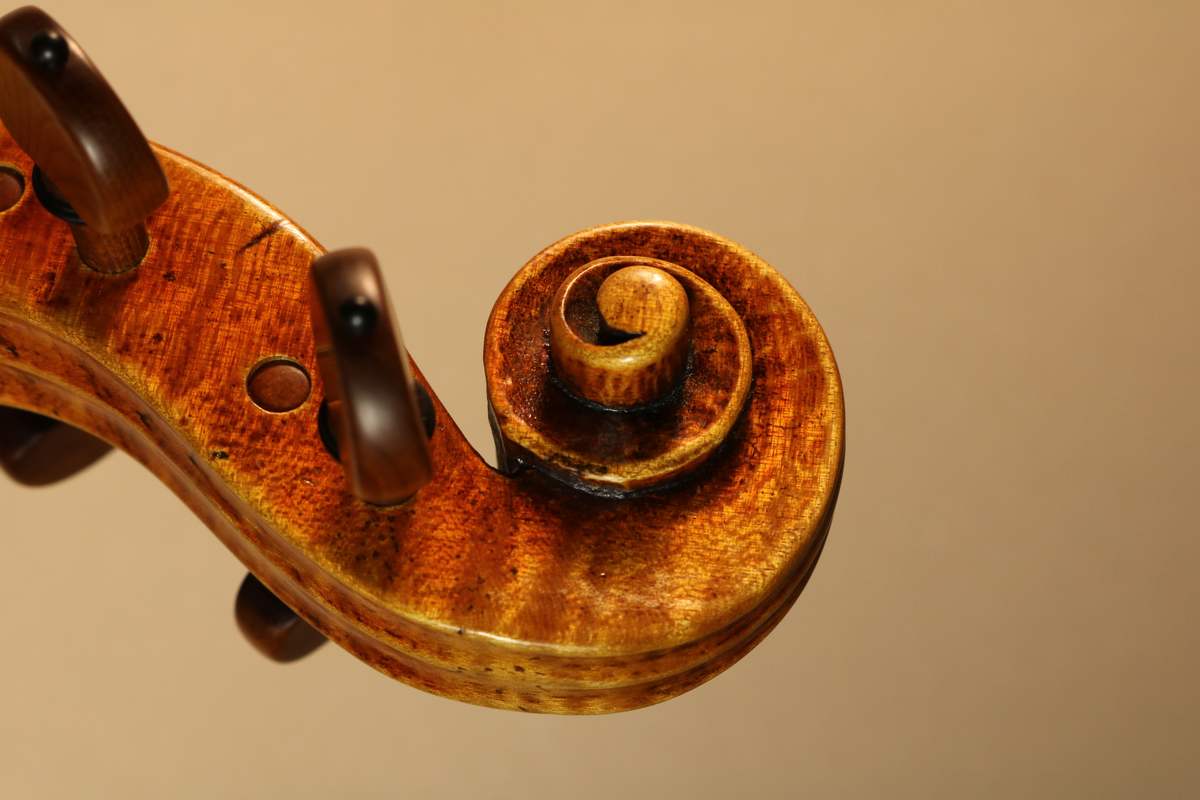
Creation of violins, violas and cellos, in both modern and baroque setup. The instruments are inspired by the great historical models of the 18th-century Venetian and Cremonese schools, made in modern style or as faithful copies.


The art of giving voice to wood


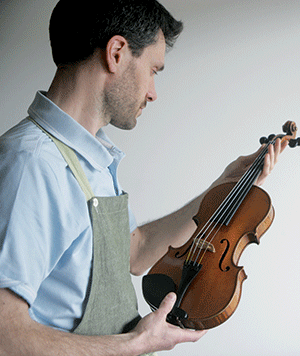
Listening to wood through touch, catching its scent and tracing its curves until you sense its secret life. There is a subtle harmony in the flowing proportions of a bowed string instrument, a geometric search for a form that becomes elegance. But the true magic reveals itself when that form finds its voice: a unique, vibrant sound, capable of releasing deep and timeless emotions.
Making and restoring instruments is how I live this passion: a path of patience, study and constant experimentation. In particular, making copies allows me to “step into the shoes” of the classic Cremonese and Venetian makers of the eighteenth century, giving me the chance to explore techniques and approaches different from my own, which enrich and fascinate me every day.
I learned the craft between Giovanni Lazzaro’s workshop in Padua and the Parma School of Violin Making, where I graduated in 2004 under Maestro Renato Scrollavezza, later refining my artistic vision with Maestro Franco Simeoni.
In 2006 I moved to London, working in world-renowned workshops such as Florian Leonhard Fine Violins and Bridgewood & Neitzert. There, alongside ongoing advanced training with international experts (Guy Rabut, Hans J. Nebel, Andrea Ortona, Iris Carr, Gudrun Kremeier, George Stoppani, Claudia Fritz and Pierre Flavetta), I honed cutting-edge techniques in restoration, varnish retouching and acoustics.
The turning point in my career came in 2019 at the 10th International Competition of Sesto Fiorentino, where I won First Prize for antiqued violin, Second Prize for viola, and the Special Prize for “Greatest Personality”. Since then I have pursued ongoing research into making high-quality copy violins, working with London copyists Gábor Draskóczy and Philip Ihle.
My instruments are sought after around the world, from the Americas to Asia, and I had the honour of making the violin for the overall winner of the prestigious “Andrea Postacchini” Competition in Fermo, New Zealand violinist Amalia Hall.
Creation of violins, violas and cellos, in both modern and baroque setup. The instruments are inspired by the great historical models of the 18th-century Venetian and Cremonese schools, made in modern style or as faithful copies.
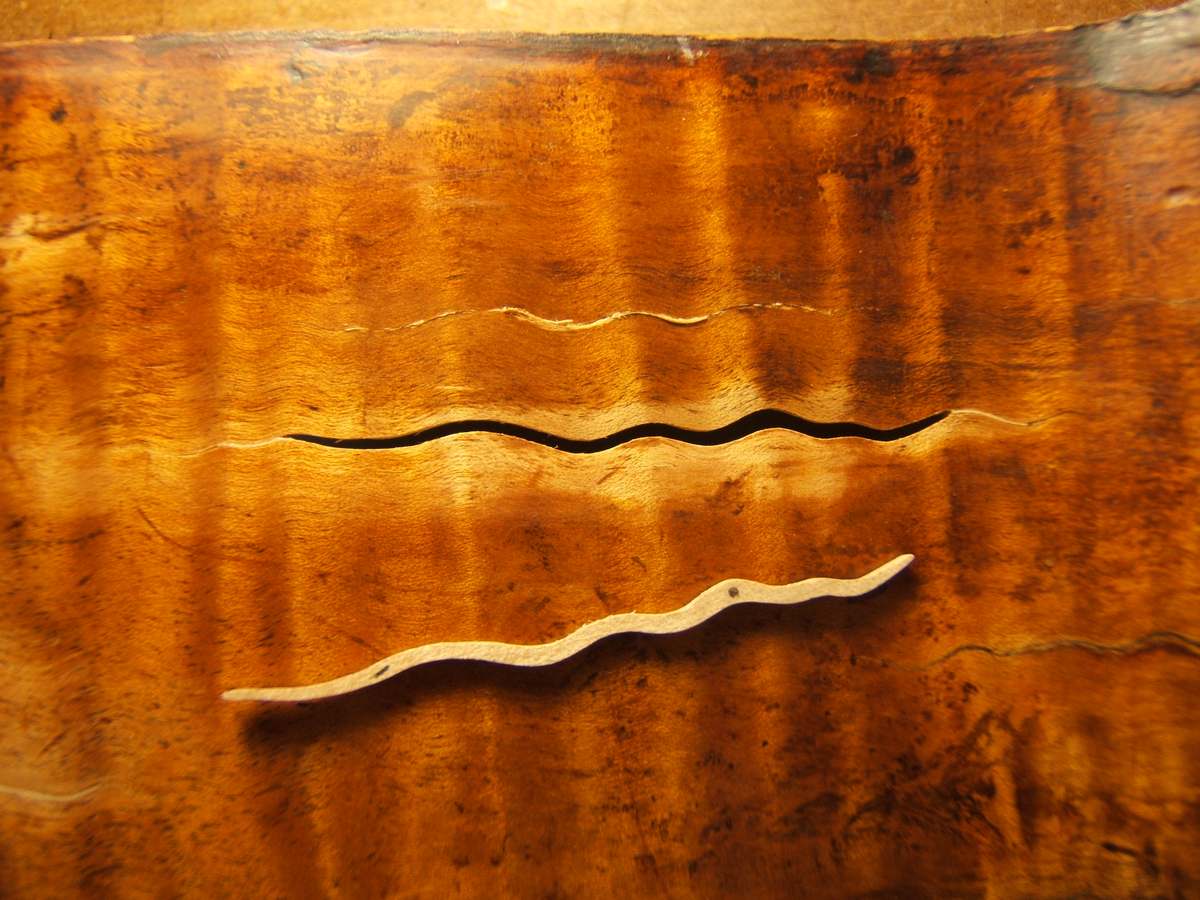
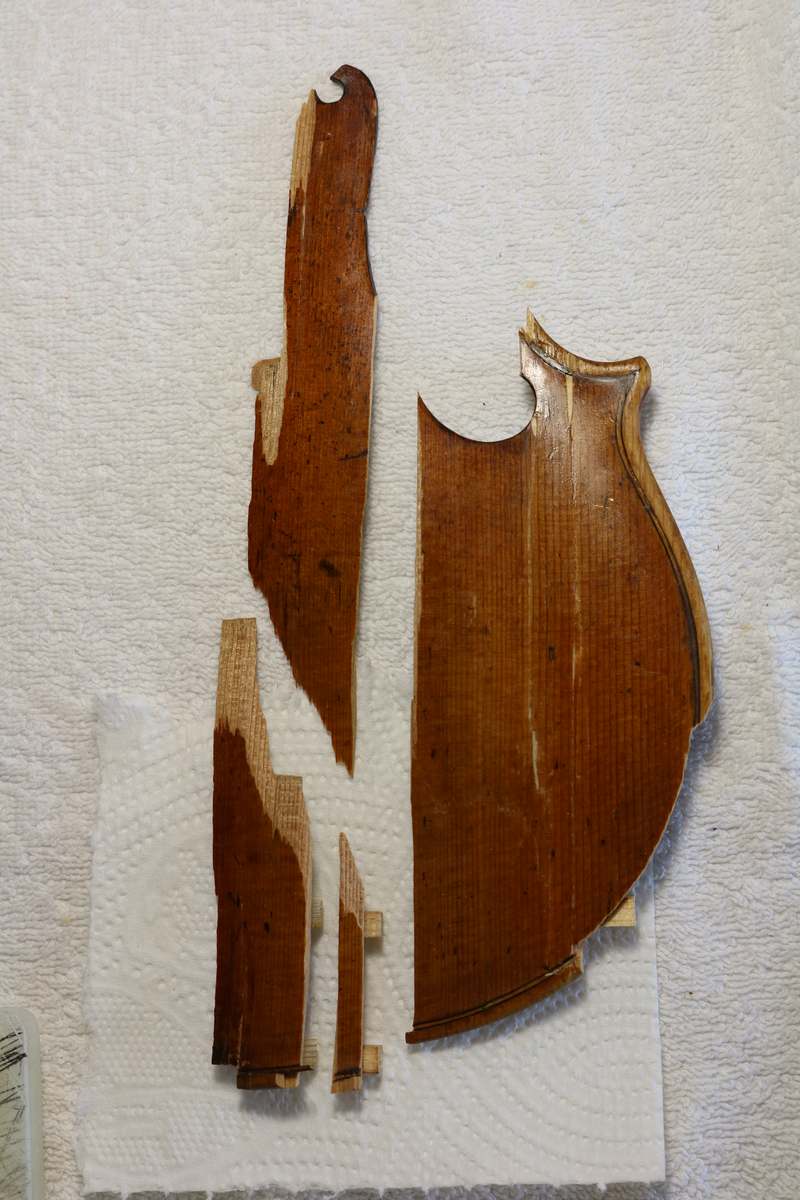
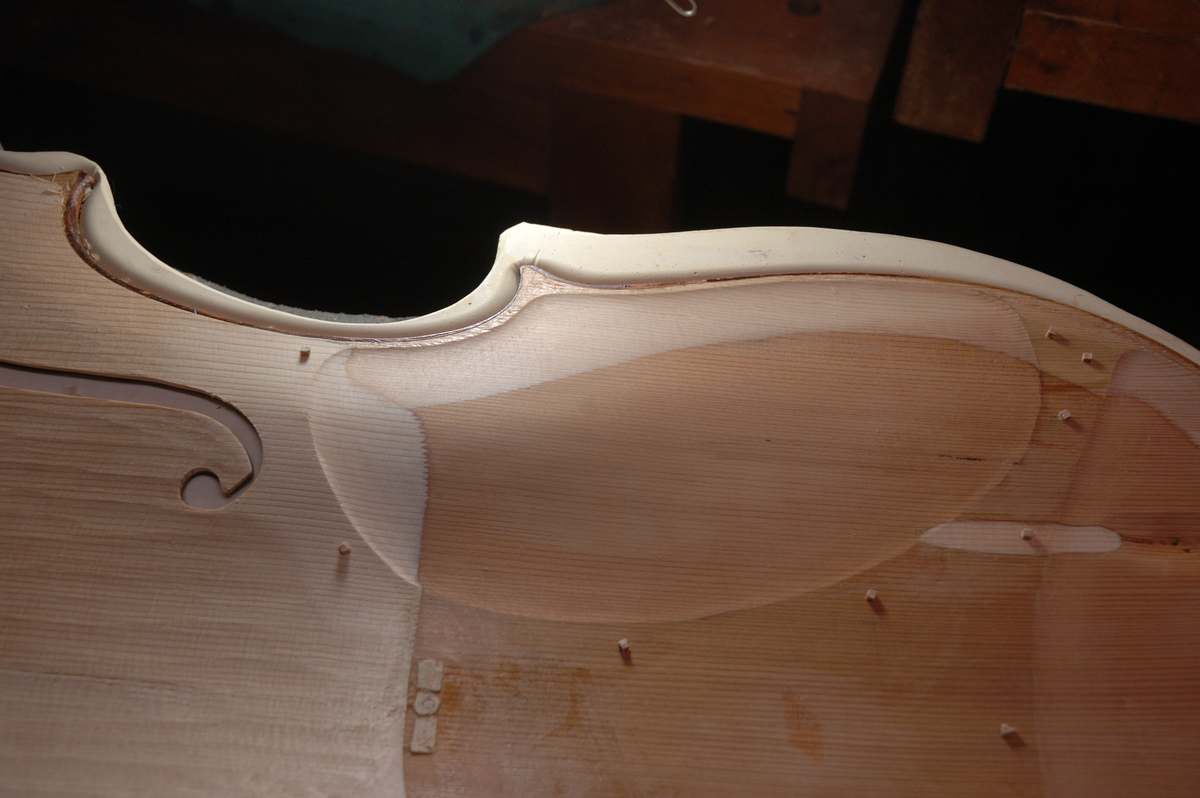
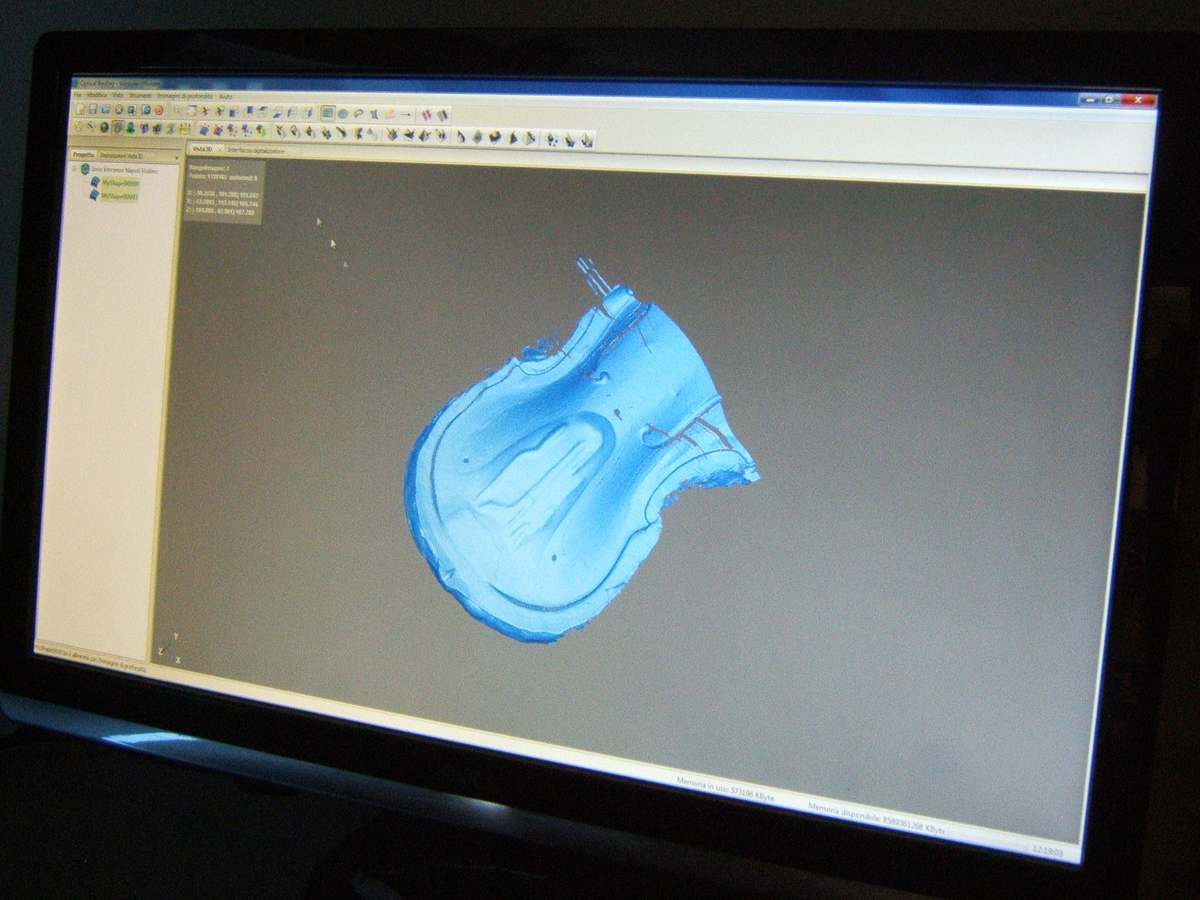
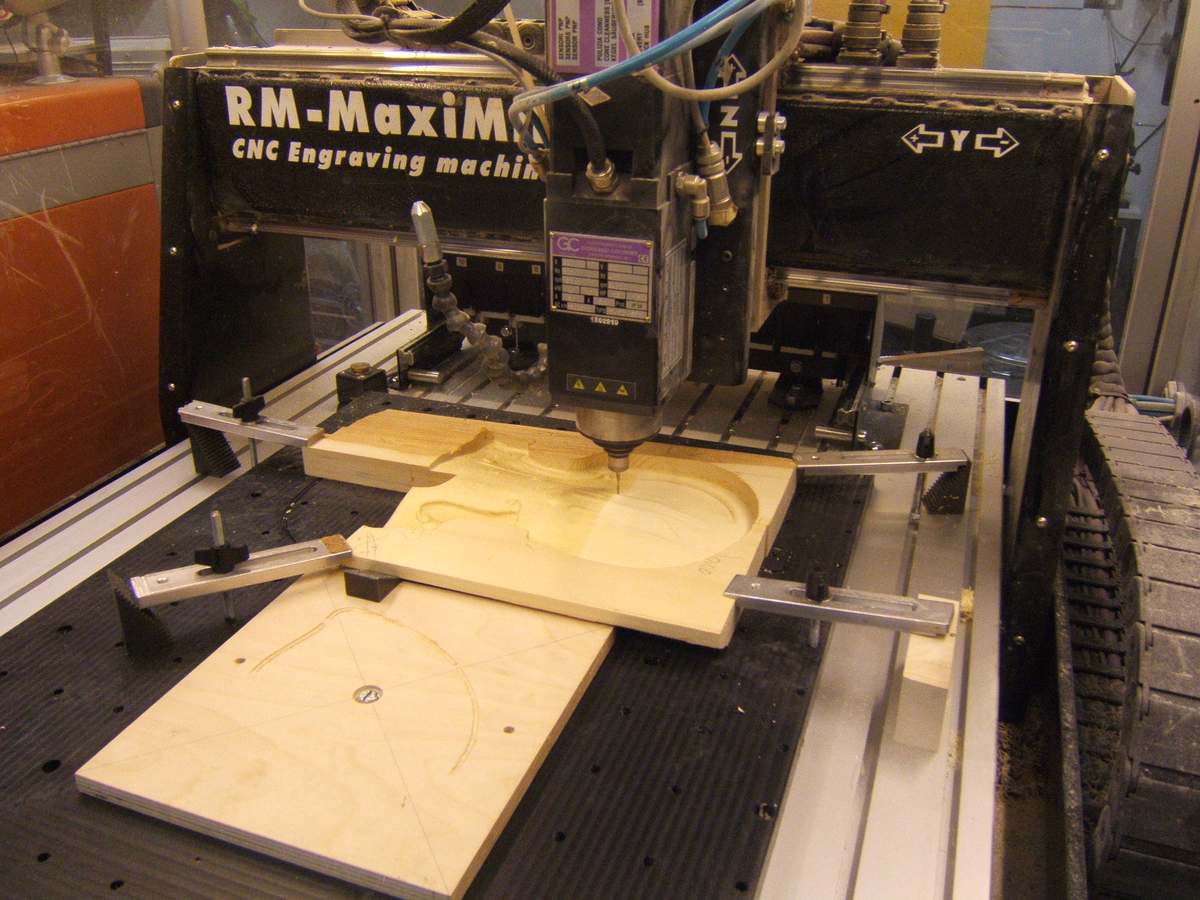
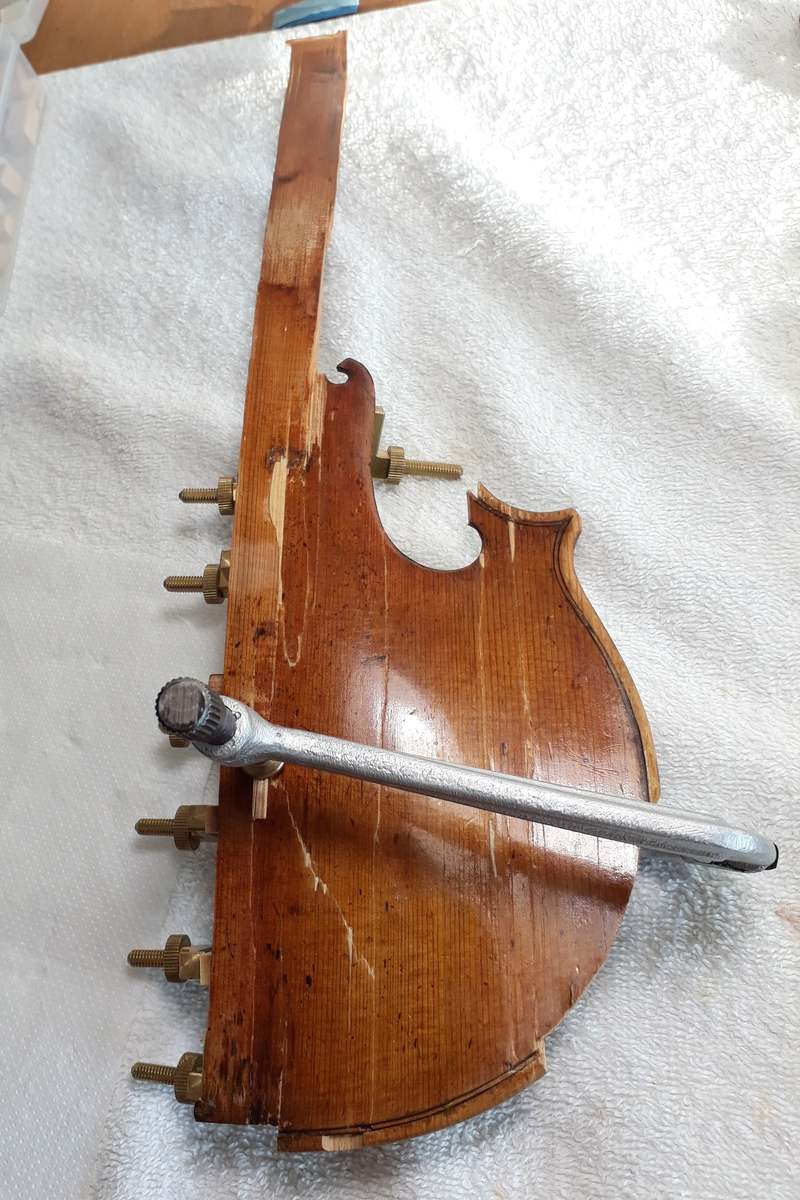
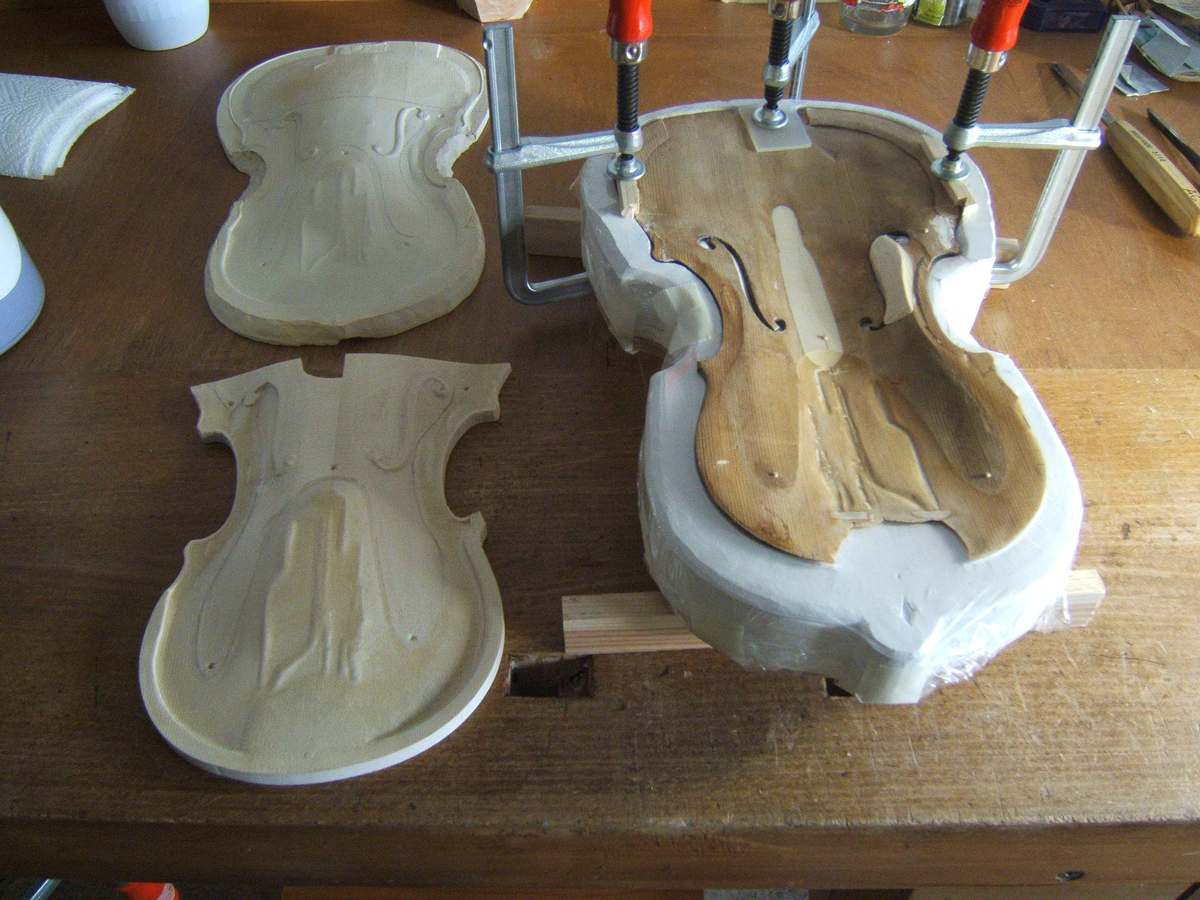
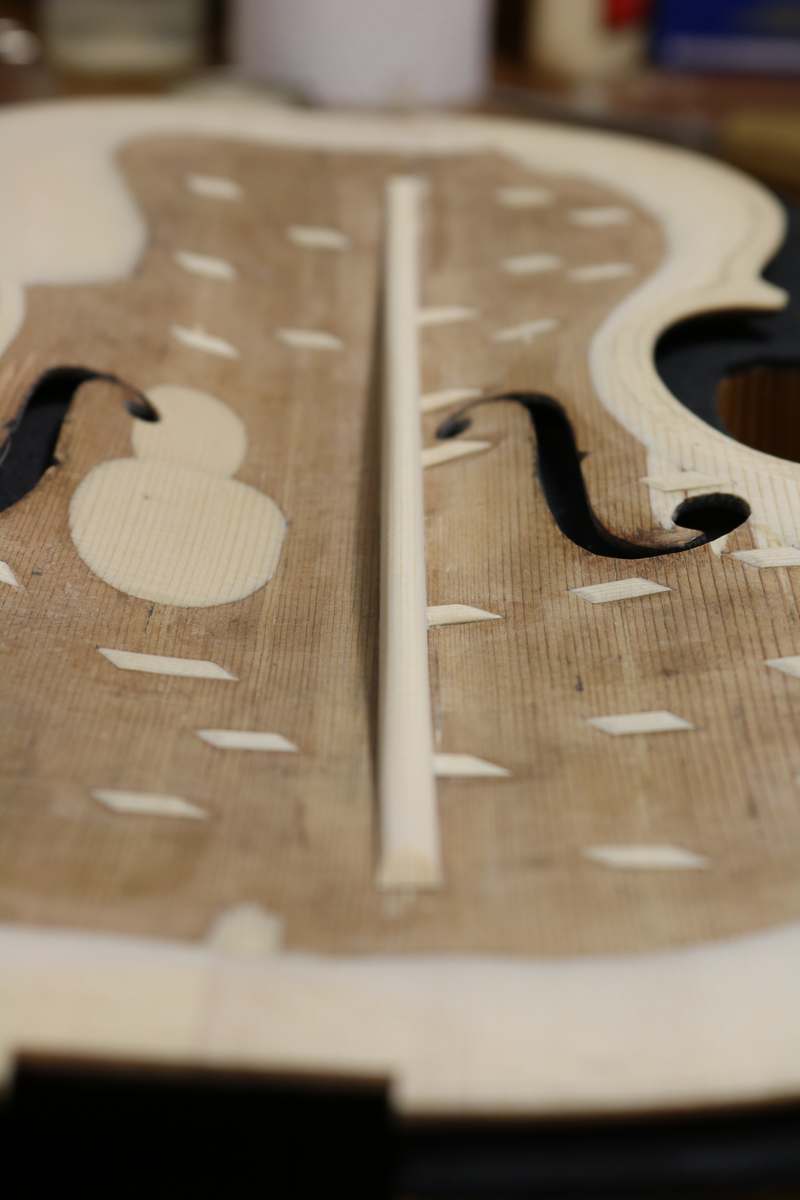
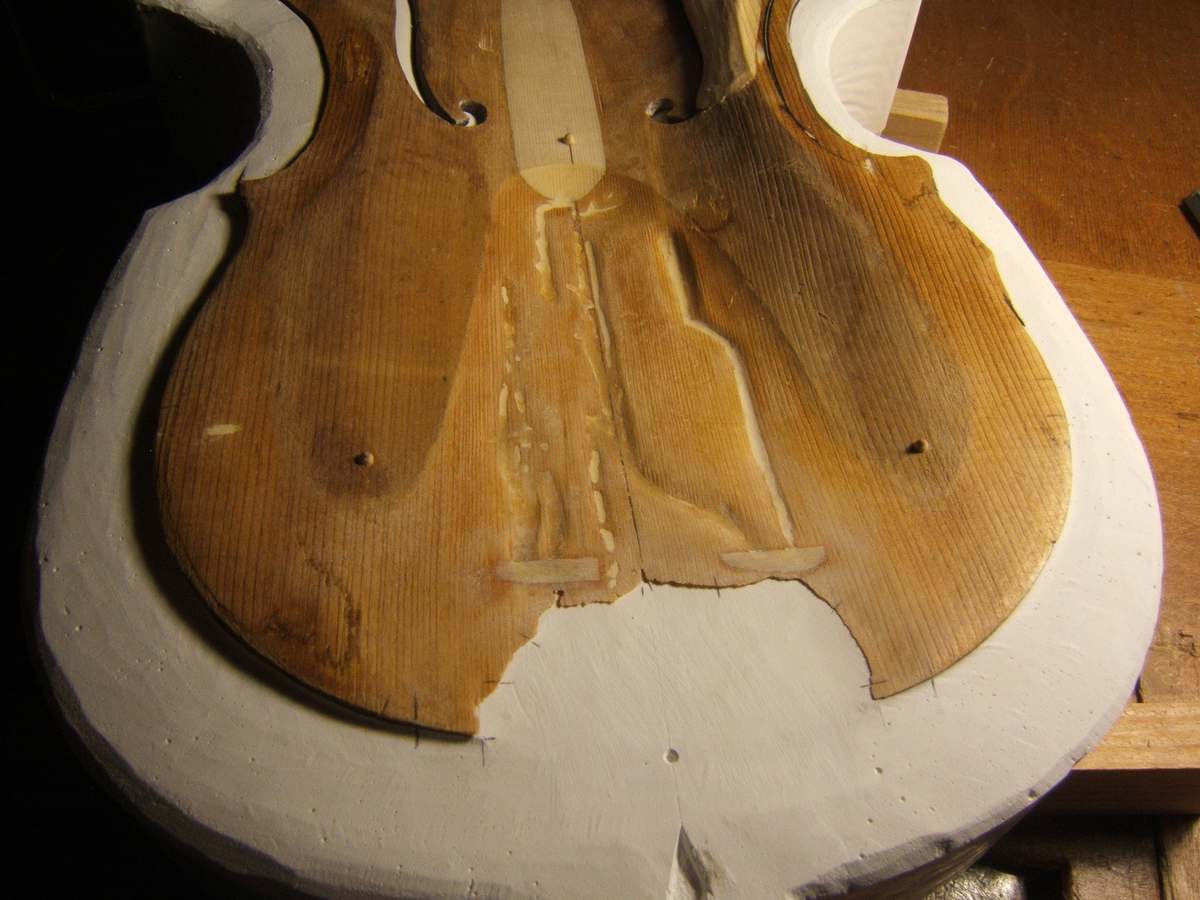
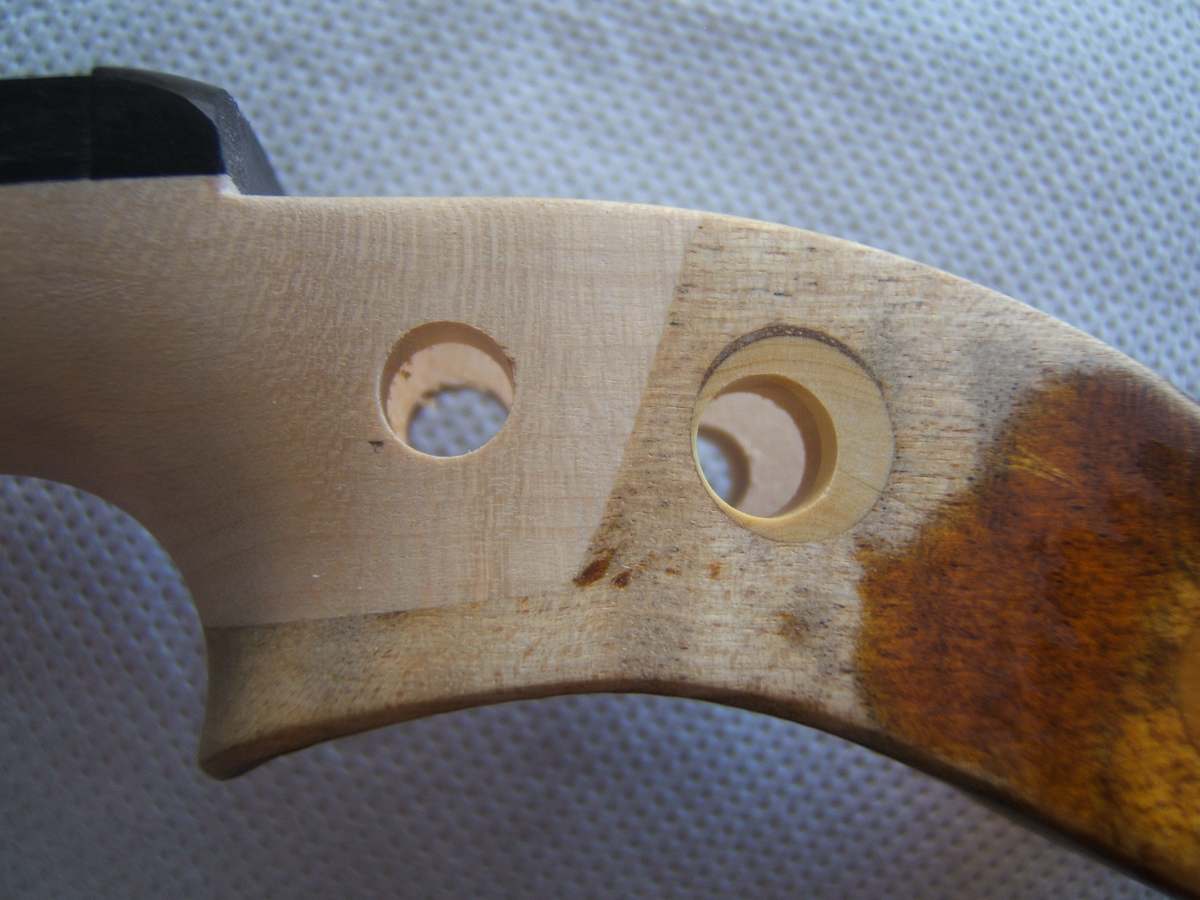
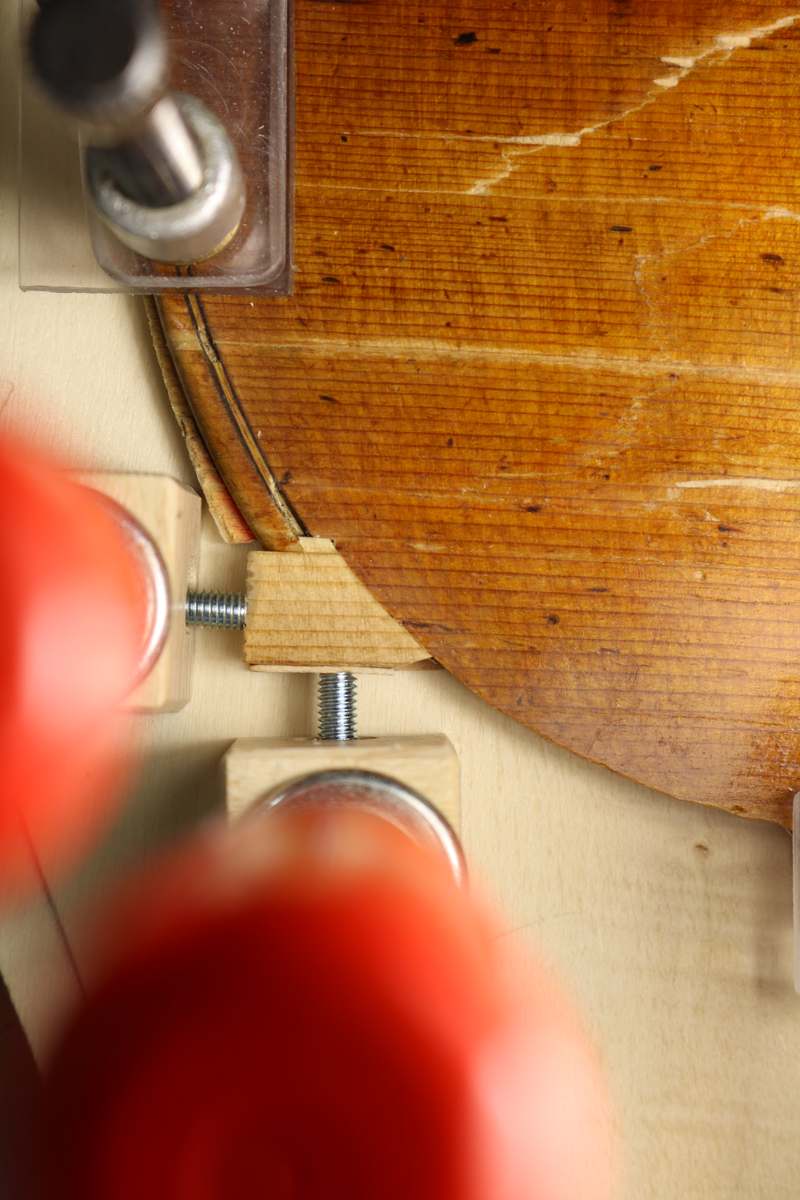
Interventions on antique instruments aimed at preserving their philological integrity and originality, while optimizing acoustic response and playing comfort. The work combines traditional fine violin making with the use of cutting-edge techniques such as micro-computed tomography (Micro-CT) and CNC technology.
Careful services to ensure maximum mechanical efficiency and the best sound performance of the instrument:
Specialized maintenance for the bow:
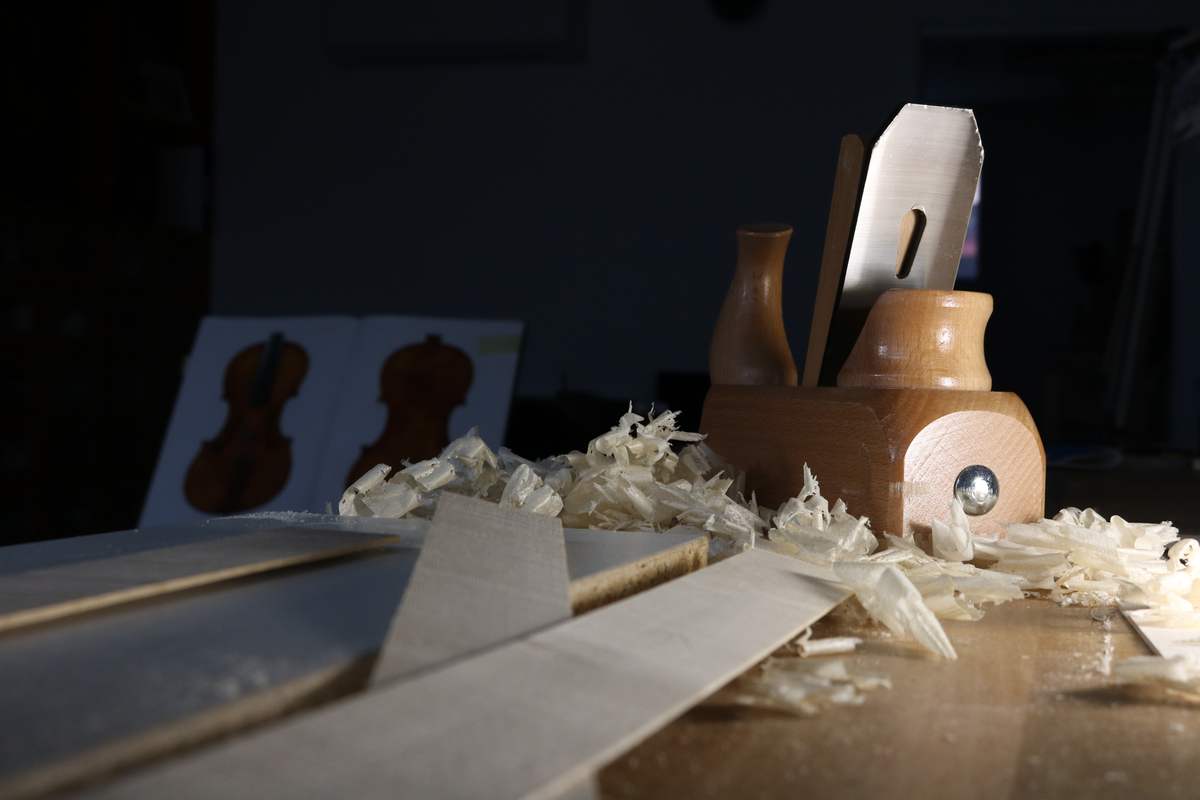
Every instrument has its own story and a unique voice. Starting a new build means setting off on an unpredictable journey, one that, as it unfolds, enchants and completely absorbs me, guided by the constant pursuit of superior acoustics and captivating aesthetics.
To give soul to my creations, I rely on the rigorous study of the great Italian tradition. I use Venetian and classic Cremonese models, closely analyzing the curves, style and proportions that characterize the great masters of the 17th and 18th centuries. Grasping the secrets of the past is the solid foundation on which I build my daily research, giving life to contemporary instruments and to antiqued-style copies of classic makers.
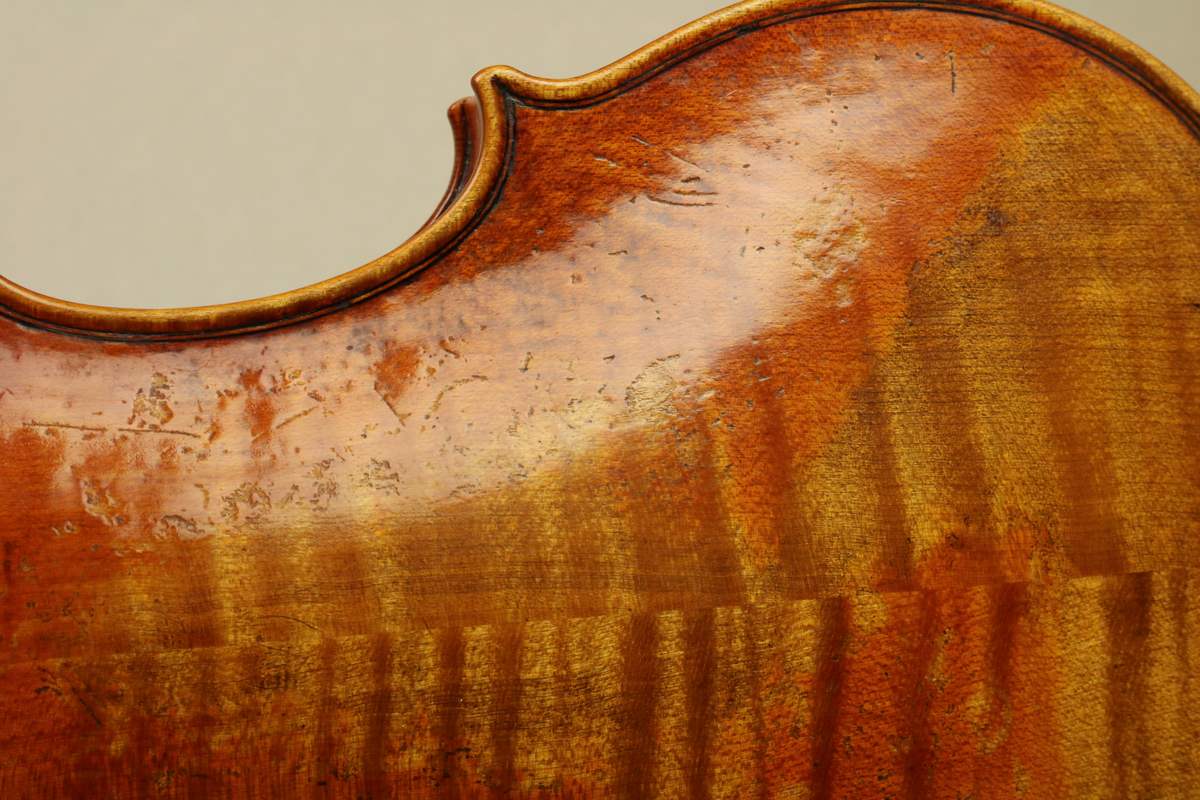
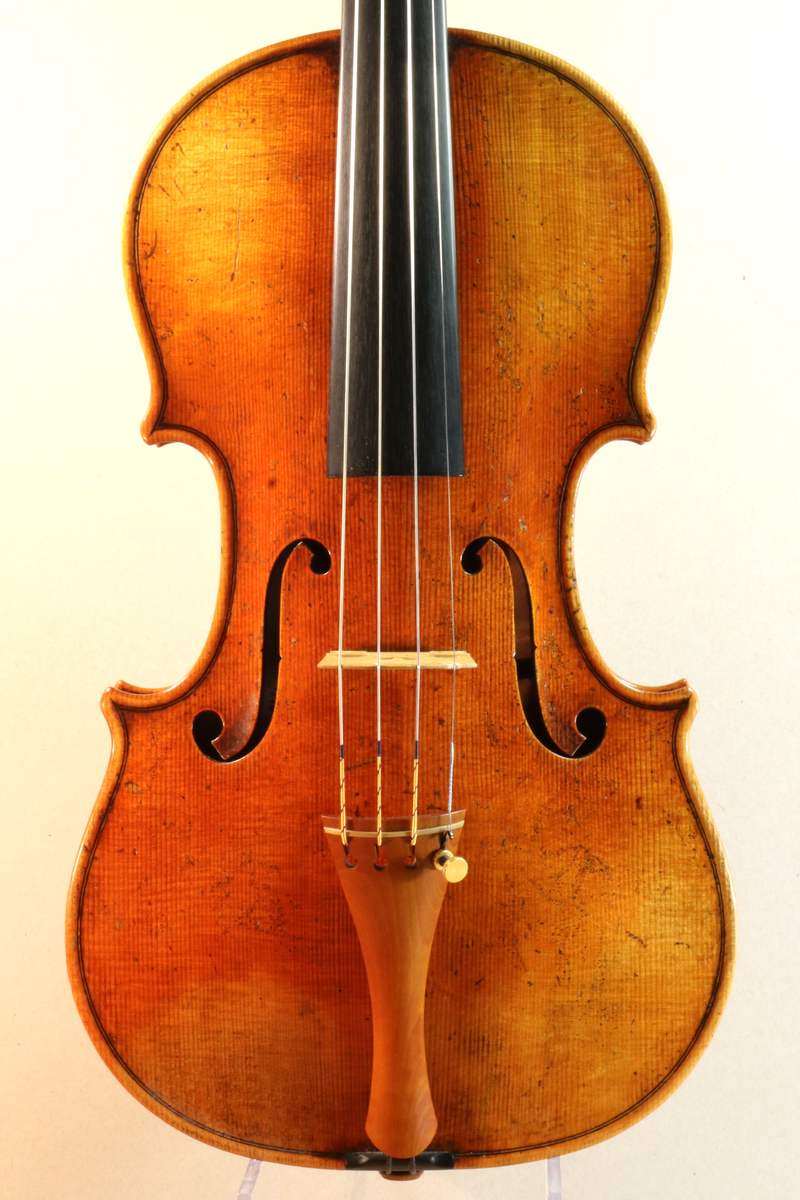
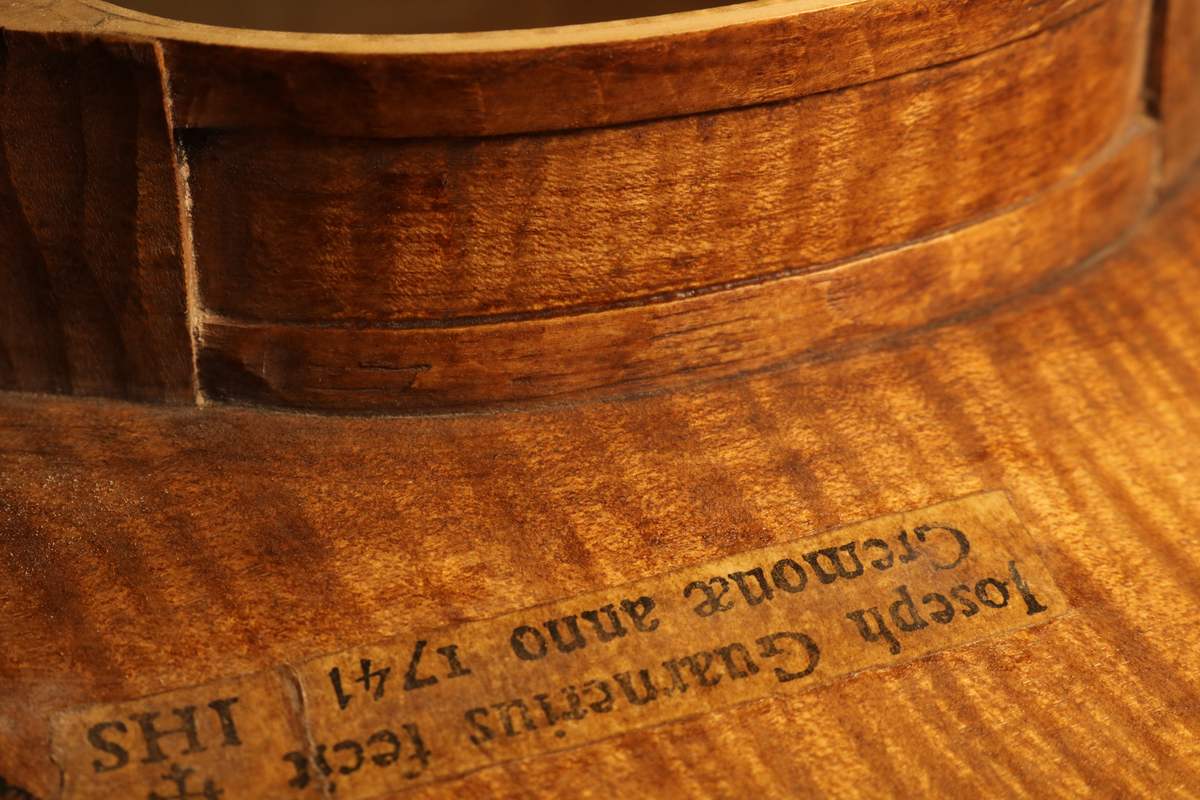
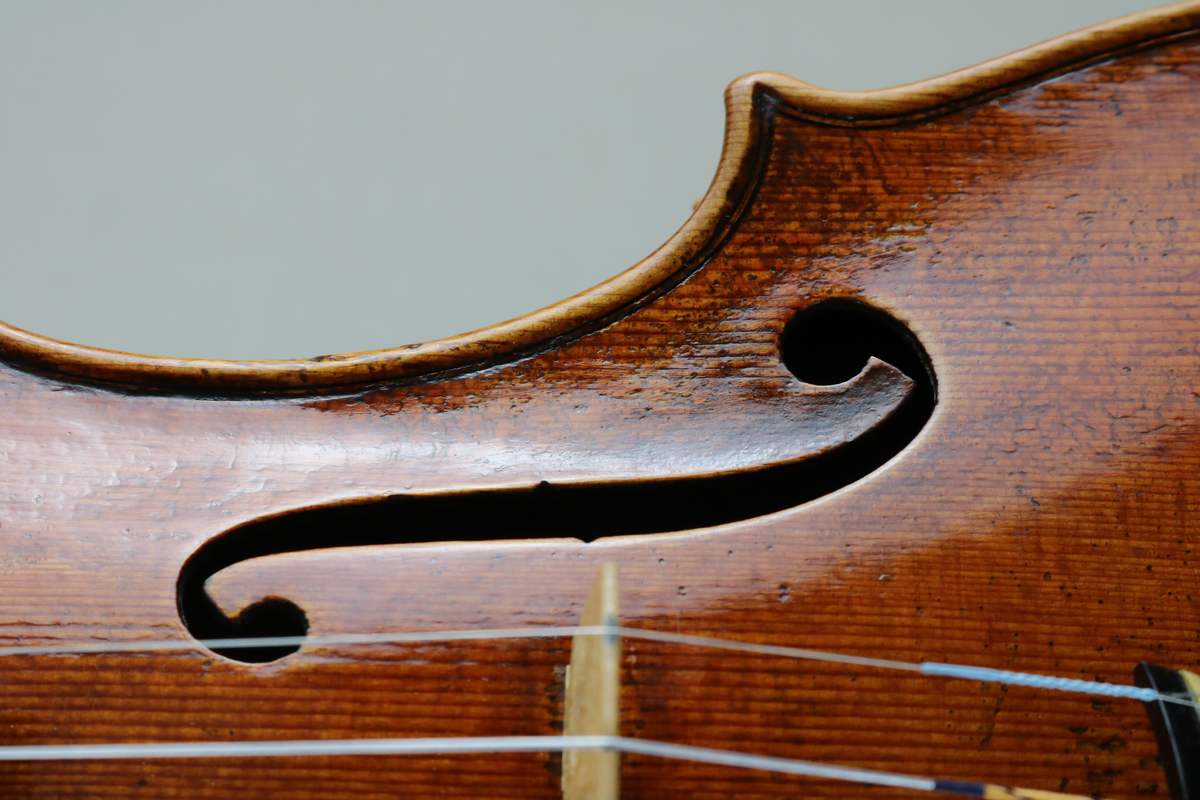
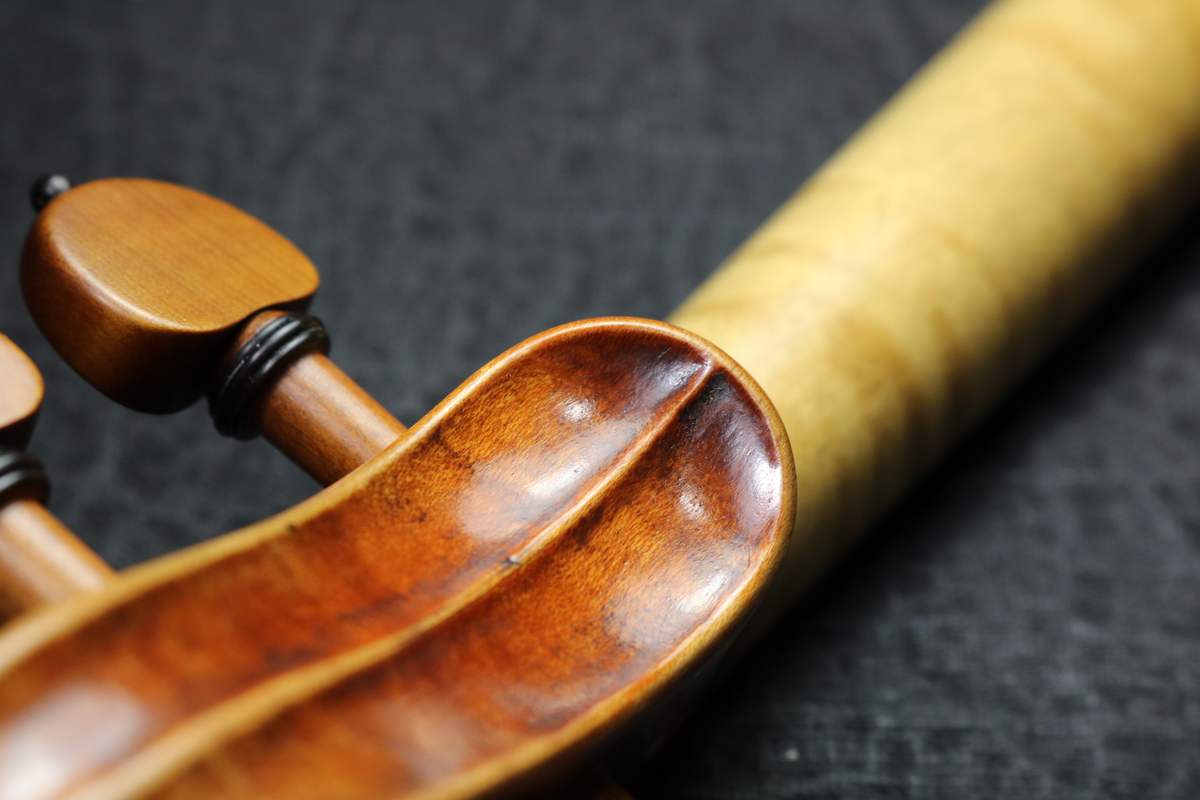
The deep fascination of restoration lies, for me, in an extraordinary contrast: the noble antiquity of the instrument I hold in my hands and the modernity of the techniques and materials I use today to care for it.
I approach every restoration with the utmost respect and one absolute priority: preserving the instrument’s originality. Working on a piece from the past means safeguarding its history, preserving every single acoustic and aesthetic detail conceived by its maker.
To do this, I combine artisanal care with innovative methods including the use of micro-computed tomography, three-dimensional scanning and computer numerical control (CNC) machines. This approach is the result of a path of continuous advanced training and constant, valuable dialogue with esteemed international colleagues, allowing me to guarantee the utmost precision in every intervention, in full respect of the original material.